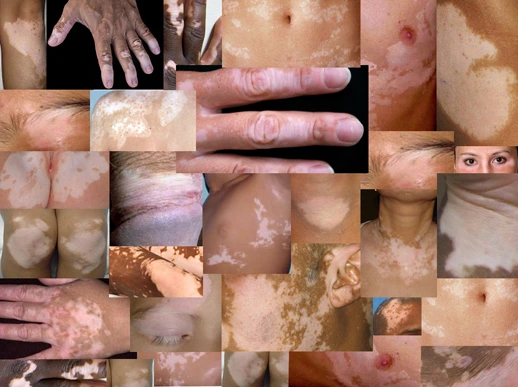
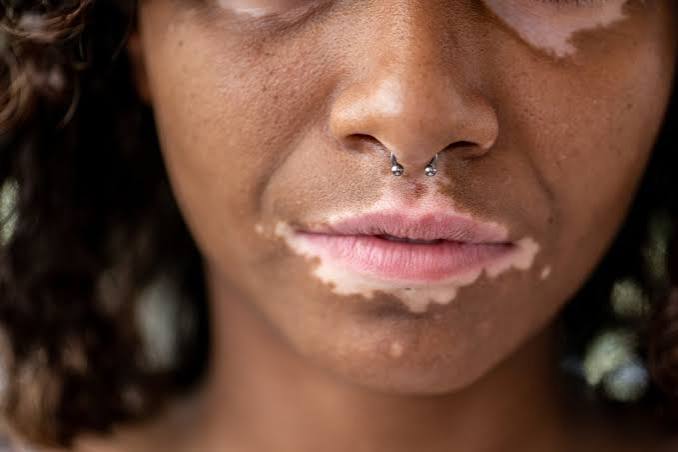
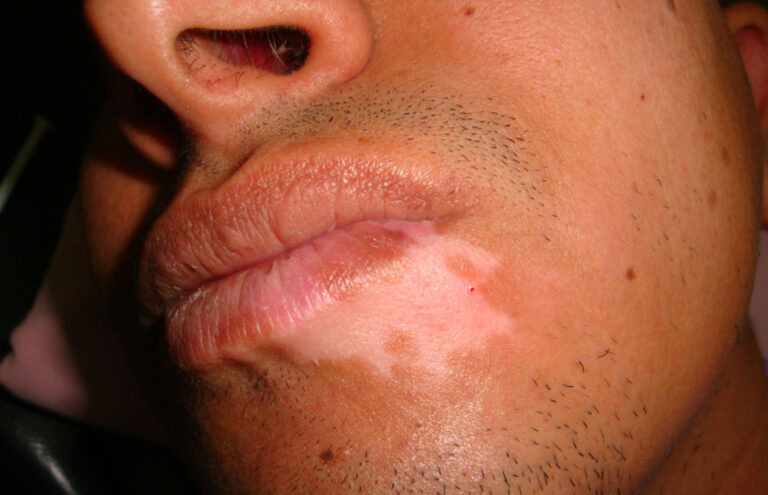
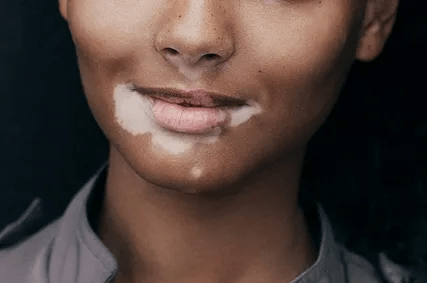
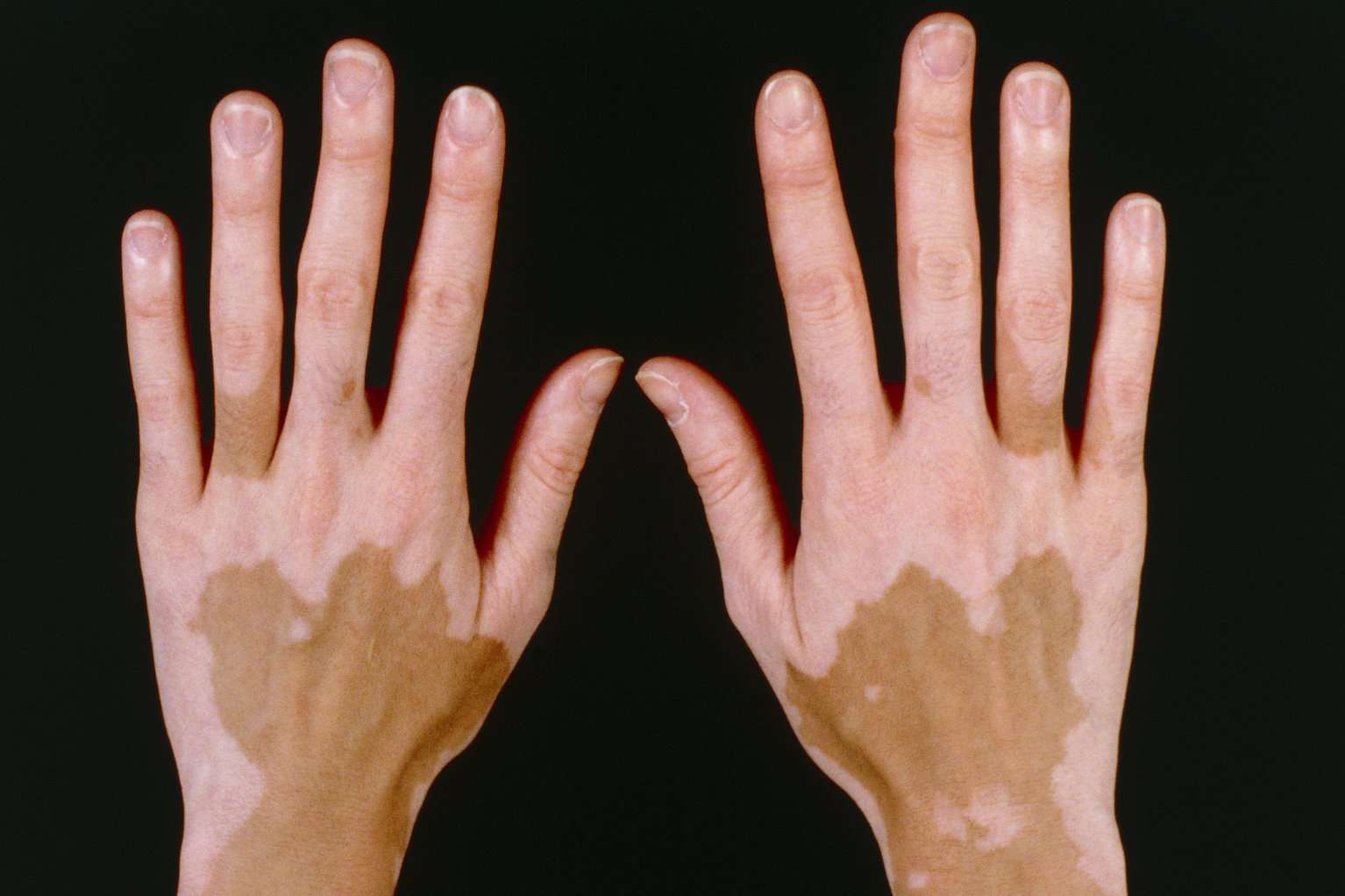
Vitiligo is an autonoumus disorder that causes patches of skin to lose pigment of color due to which smooth, milky white patches appear on body. Sometimes hair in those patches also becomes white. Vitiligo affects 0.5% – 1% of world population. It can occur at any age but majorly it occurs in 20s – 30s, equally affecting both gender and all races.
Cosmetique, have best doctors in Lahore, Pakistan, they first thoroughly evaluate the skin of a patient suffering from vitiligo using specialized lights. This initial diagnosis is crucial as, in a few cases, vitiligo tends to mimic another disease such as pityriasis alba and do PIH. In somecases, a white birthmark on the body, a condition called “nevus depigmentosus.”
Therefore, dermatologists need to differentiate between these skin diseases as their concerned treatments are purely different. However, if there still exists a doubt, the Cosmetique doctors then ask their patients to go for a skin biopsy for a confirmed diagnosis, but that is rarely the case. Once vitiligo is diagnosed and confirmed, they have with various options for vitiligo treatment in Lahore, Pakistan, to choose from. Depending on the patient’s will & convenience.
Common signs and symptoms:
White patches that vary in size and shape
Symmetrical patches (in generalized vitiligo)
A darker border around the white patch, more visible on deeper skin tones
Premature greying of scalp or facial hair
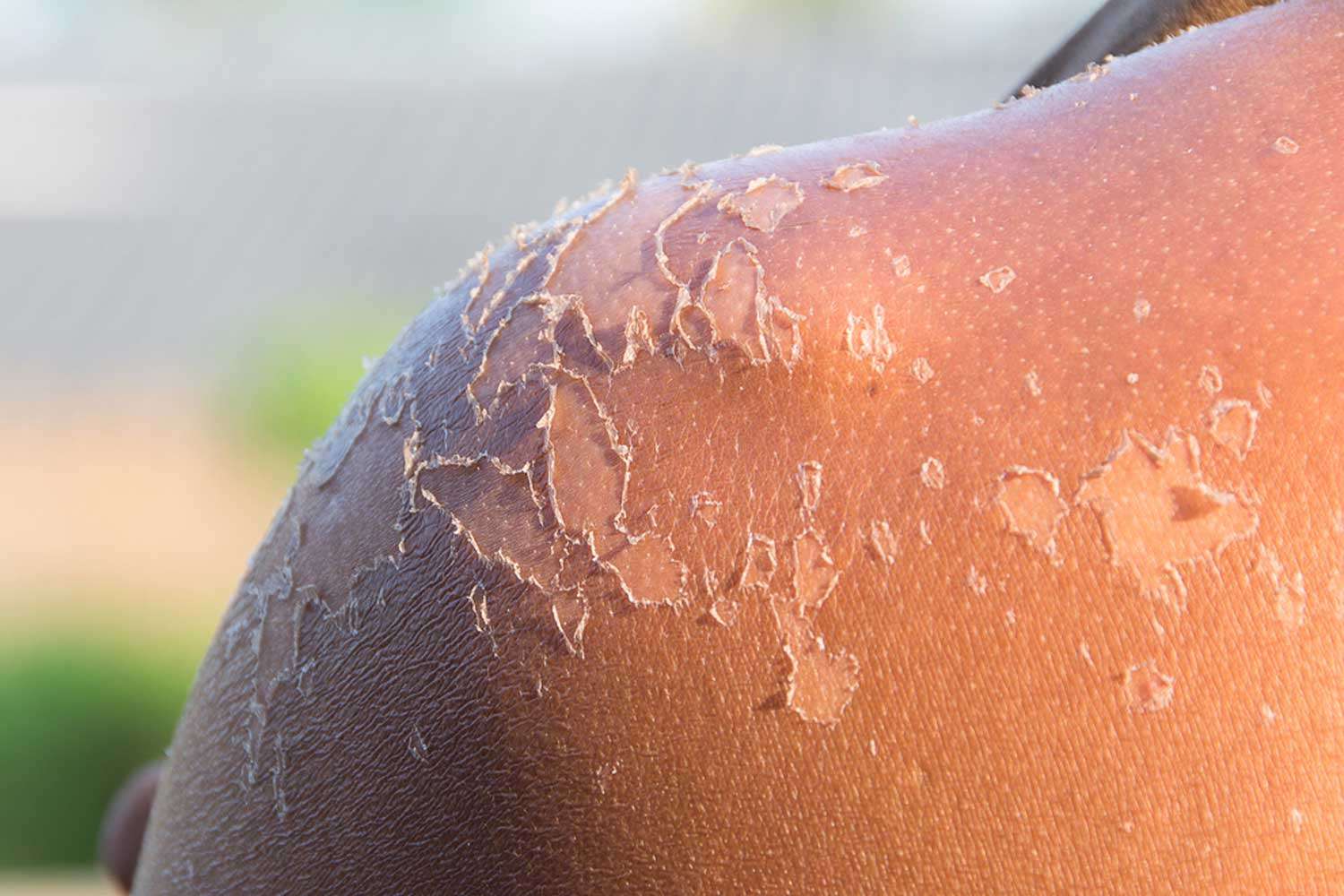
Increased sensitivity to sunburn in affected areas
Types Of Vitiligo And What Body Regions Do They Affect ?
There are many different types of vitiligo depending on the body regions they affect and their spreading patterns. Whatever type of vitiligo you may have, you should go to the most reliable skin specialists like those serving at the Cosmetique clinic for vitiligo treatment in Lahore, Pakistan. Now let’s see those vitiligo types:
The most common type of vitiligo include :
Non-Segmental Vitiligo
Segmental Vitiligo
Focal Vitiligo
Acrofacial Vitiligo
Generalized Vitiligo
Universal Vitiligo
Mucosal Vitiligo
What Causes Vitiligo?
Doctors do not know one single cause of vitiligo. Right now they believe it happens because of three things working together.
1. The body's immune system attacks itself
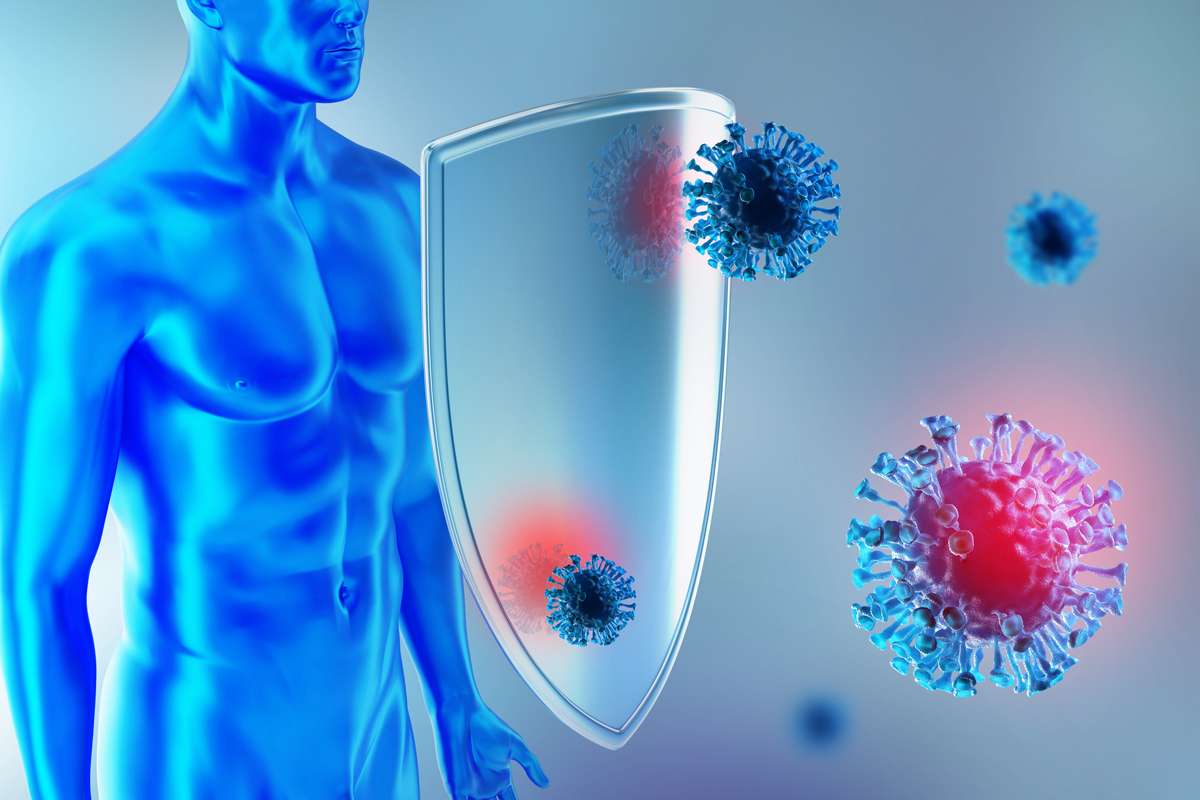
In most people with vitiligo the immune system makes a mistake. It attacks the cells that give skin its color. These cells are called melanocytes. When they get destroyed the skin loses color in that spot. This is why doctors call vitiligo an autoimmune condition. Some people with vitiligo also have other autoimmune problems like thyroid disease.
2. It can run in families
Vitiligo sometimes passes down from parents to children. Scientists have found certain genes that make a person more likely to get it. But having these genes doesn’t mean you will definitely get vitiligo. It just means your risk is a bit higher than someone without them.
3. Certain things can trigger it
Sunburn or contact with harsh chemicals or even a lot of emotional stress can bring on vitiligo in someone who was already at risk. These things don’t cause vitiligo on their own. But in a person whose body is already prone to it they can be the spark that starts the white patches.
Treatment Of Vitiligo
Vitiligo Treatment In Lahore, Pakistan
Although vitiligo can occur at any stage of life, it most commonly affects people between ages 20 – 30s . Moreover, vitiligo is more of a cosmetic concern for most individuals as it is neither life-threatening nor contagious. The white patches of vitiligo may stay or even spread for several years of life without any significant health concerns. However, it is totally treatable nowadays.
Why Choose Cosmetique!
What we promise at Cosmetique!
Institute Cosmetique Clinic doctors have years of experience treating children and adults with vitiligo. Cosmetique offers all latest treatments for this disease, including one for moderate to severe vitiligo that’s not available at many places. Vitiligo also has various types. Some respond well to a prescription treatable others might be resistant to prescription, but it varies from patient to patient.
Vitiligo Treatment Options at Institute Cosmetique
Not every patient needs the same treatment. It depends on how big your patch is, whether it’s still spreading, and what you’ve already tried. At Institute Cosmetique we offer every option, from simple creams to advanced surgery, so you get the right one for your case.
Medical Treatment. Creams and ointments work best for small, new patches by calming the immune activity that’s attacking your skin color.
Phototherapy (NB-UVB). For larger patches or when creams alone haven’t worked, we use light therapy to help the color cells come back to life. NB-UVB is the most advanced version available today and we have it in-clinic.
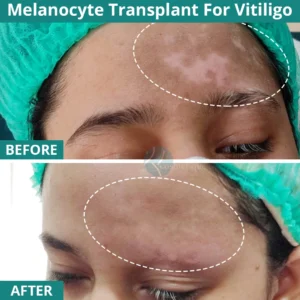
Surgery. Once your vitiligo has been stable for six months to a year we can talk about surgery. The most advanced option is Melanocyte Transplant, a scar-free procedure where we take your own healthy skin cells and transplant them into the white patch.
What Our Doctor's Say
For More Informative Videos Visit Our Youtube Channel
Melanin is the chemical substance produced naturally in our bodies by specialized cells called melanocytes. Melanin is primarily responsible for giving our natural skin color. The skin condition called vitiligo mainly occurs when the melanocytes are either not functioning correctly or are destroyed by the following factors: